
Last Updated on May 25, 2026 by Spencer Lee
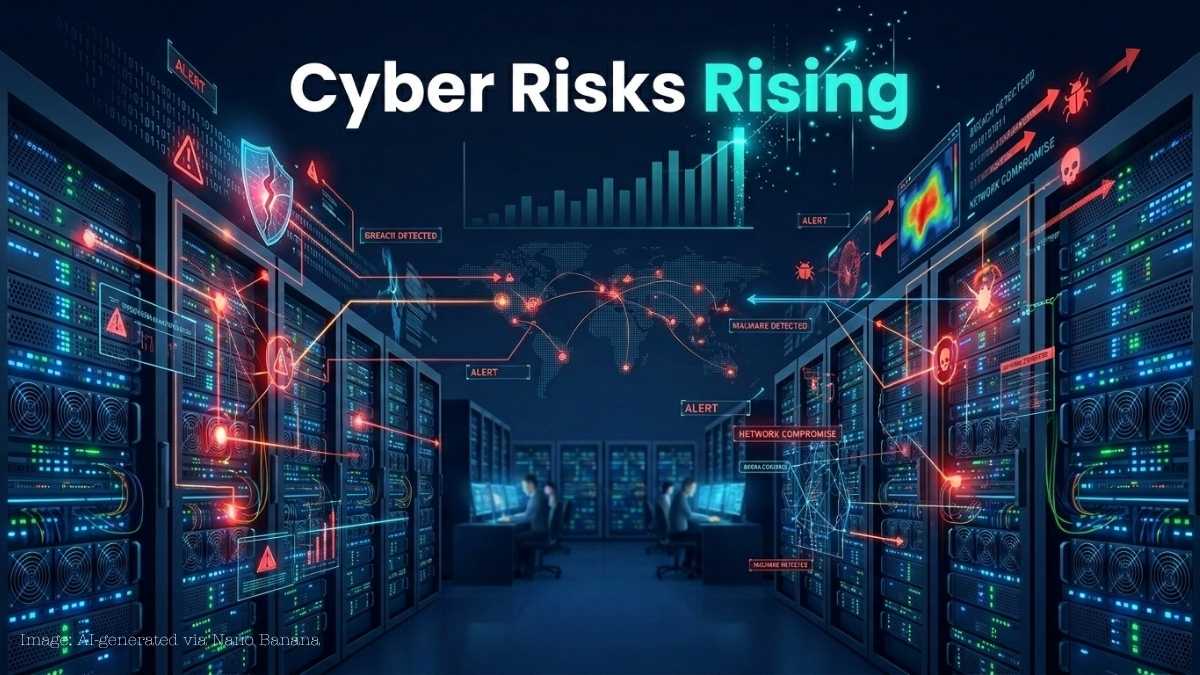
The European Central Bank is holding urgent discussions with major banks over cybersecurity risks linked to advanced AI systems capable of identifying software vulnerabilities at unprecedented speed. Regulators warn that next-generation AI models could significantly increase the threat of sophisticated cyberattacks targeting the financial sector.
Financial regulators worldwide are increasingly concerned that powerful AI systems could transform cybersecurity threats by accelerating vulnerability discovery, exploit development, and automated attack strategies.
Banks are considered especially vulnerable because many financial institutions still rely on complex legacy infrastructure that can be difficult to patch quickly. Regulators across Europe, the United States, and Asia are now pressuring banks to improve cyber resilience before advanced AI tools become more widely accessible.
Why is the ECB holding urgent AI cybersecurity meetings?
The European Central Bank has reportedly summoned banks to discuss emerging cybersecurity risks tied to advanced AI systems.
ECB supervisory officials are warning that new AI models can identify software vulnerabilities much faster than traditional security methods, potentially allowing attackers to exploit weaknesses before organizations can respond.
Frank Elderson, vice-chair of the ECB supervisory board, said banks must accelerate software patching and strengthen cyber defense processes as AI capabilities advance rapidly.
What AI systems are regulators worried about?
Regulators have focused heavily on Anthropic’s experimental cybersecurity-oriented AI model known as Claude Mythos.
Anthropic previously stated that the model identified thousands of severe vulnerabilities across major operating systems and browsers during internal testing. The company warned that misuse of such systems could pose risks to public infrastructure, national security, and financial institutions.
Access to Mythos remains restricted under Anthropic’s “Project Glasswing” initiative, which gives select organizations controlled access for defensive cybersecurity research.
Why are banks considered especially vulnerable?
Banks often operate on interconnected legacy systems that can be difficult to update quickly across large infrastructure environments.
ECB officials reportedly warned that AI systems may dramatically shorten the time between a vulnerability disclosure and active exploitation. Elderson said some flaws could potentially be reverse-engineered within minutes after security patches are released.
This has increased pressure on banks to modernize systems, automate patch deployment, and improve cyber incident response capabilities.
Are other governments responding to AI cyber risks too?
Yes. Regulators and financial authorities globally are increasing coordination around AI-related cybersecurity threats.
In the United States, Treasury Secretary Scott Bessent and Federal Reserve Chair Jerome Powell previously held meetings with major bank CEOs to discuss risks associated with advanced AI cyber models.
The IMF also warned earlier this month that AI may amplify cyber threats capable of destabilizing financial systems if defensive measures fail to keep pace.
What does this mean for the future of banking security?
The ECB’s actions signal that AI cybersecurity threats are becoming a major systemic concern for global financial regulators.
Banks are increasingly expected to adopt AI-assisted defensive systems while simultaneously protecting themselves from AI-enhanced attacks. Analysts believe financial institutions may soon need continuous automated monitoring and real-time vulnerability remediation to remain secure.
The growing focus on AI-driven cyber defense could also accelerate investment in secure infrastructure, AI governance, and next-generation security platforms throughout the banking sector.
What happens next?
The ECB is expected to continue expanding oversight of AI-related cybersecurity preparedness throughout 2026 as regulators assess how banks are responding to emerging threats. Financial institutions may also face stricter expectations surrounding cyber resilience, software patching speed, and AI risk management.
To see how governments are increasingly using advanced AI systems for cybersecurity and national defense, read “OpenAI to Supply Japan With Cybersecurity AI”.