
Last Updated on May 24, 2026 by Spencer Lee
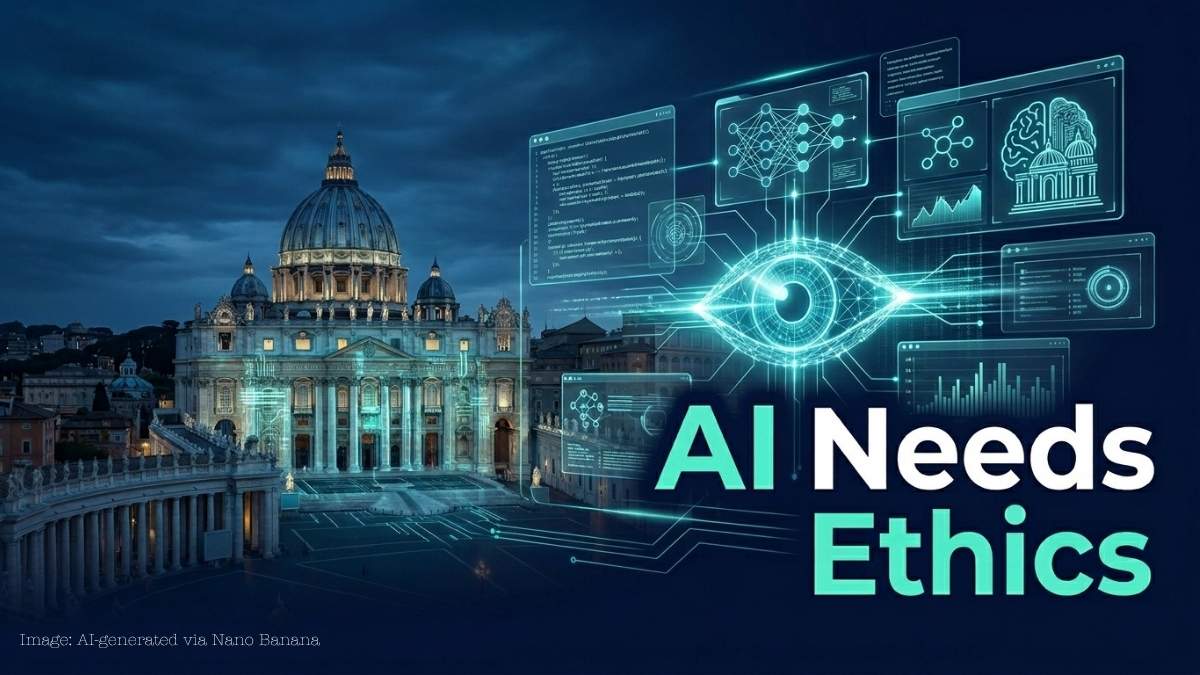
Vatican News reported that Pope Leo XIV is preparing a major document focused on artificial intelligence, human dignity, and ethical technology use. The Vatican says the initiative will address concerns surrounding AI’s impact on warfare, labor, misinformation, and human identity.
Artificial intelligence is rapidly reshaping communication, labor, education, and global politics, prompting growing debate over ethics and human rights. Religious leaders, governments, and technology companies are increasingly discussing how AI systems should be regulated and deployed responsibly.
The Vatican has become more active in AI discussions in recent years, particularly around digital ethics, algorithmic transparency, and the social impact of automation. Pope Leo XIV has made AI governance one of the central themes of his early papacy.
What is Pope Leo’s new AI initiative about?
Pope Leo XIV is preparing his first major encyclical focused on protecting human dignity in the age of artificial intelligence.
The document, titled Magnifica Humanitas (“Magnificent Humanity”), is expected to address the ethical and societal implications of AI systems, including concerns related to warfare, labor displacement, misinformation, and surveillance technologies.
The Vatican announced that the encyclical will be formally presented on May 25 alongside theologians, church officials, and AI experts.
Why is the Vatican focusing on AI now?
The Vatican views AI as one of the defining ethical challenges of the modern era.
Pope Leo has repeatedly warned that technology must serve humanity rather than replace human judgment, relationships, or dignity. In a January message for the World Day of Social Communications, he emphasized that AI should “serve the human person, not replace it.”
The Vatican has also expressed concern about AI-generated misinformation, digital manipulation, and autonomous military systems as governments and companies race to deploy more powerful AI technologies.
Why is Anthropic involved in the discussion?
Christopher Olah, co-founder of Anthropic, is expected to participate in the Vatican presentation alongside Pope Leo.
Anthropic has positioned itself as an AI company focused heavily on safety research and ethical guardrails. Reports suggest the Vatican sees collaboration with AI researchers as important for shaping global conversations around responsible AI development.
The partnership also reflects growing efforts by religious institutions to engage directly with technology leaders rather than discussing AI solely from outside the industry.
What concerns does Pope Leo have about AI?
Pope Leo has repeatedly warned that unchecked AI development could weaken human creativity, accountability, and social trust.
He recently criticized the rise of AI-directed warfare, saying it risks creating a “spiral of annihilation” if humans surrender moral responsibility to automated systems.
The Vatican has also launched a dedicated AI commission to study how emerging technologies may affect ethics, communication, labor, and public life.
Why does this matter globally?
The Vatican’s intervention adds moral and philosophical weight to the growing international debate over AI governance.
Religious institutions rarely influence technology policy directly, but the Catholic Church’s global reach gives its position significant visibility. Analysts expect the encyclical to contribute to broader discussions surrounding AI regulation, corporate responsibility, and human-centered technology development.
Online discussions show growing interest in the Vatican’s approach, with many users describing the Church as unexpectedly active in ethical AI conversations.
What happens next?
Pope Leo XIV is expected to formally unveil Magnifica Humanitas on May 25, potentially establishing one of the Vatican’s strongest positions yet on artificial intelligence and digital ethics. The document could influence future conversations around AI governance, human rights, and global technology regulation.
To see how governments and organizations are responding to AI misinformation and digital ethics concerns, read “UNESCO Expands AI Media Literacy Push Through Global Webinar Initiative”.