
Last Updated on May 19, 2026 by Spencer Lee
UNESCO is expanding its global media literacy efforts with a new webinar focused on artificial intelligence, misinformation, and digital awareness. The initiative aims to help educators, journalists, and the public better understand how AI systems influence online information and media consumption.
Artificial intelligence is rapidly reshaping how information is created, distributed, and consumed online. AI-generated text, images, and videos are becoming increasingly difficult to distinguish from authentic content, raising concerns around misinformation and digital manipulation.
Governments, educators, and international organizations are responding by expanding media literacy programs designed to help people critically evaluate digital content and understand how AI systems operate.
What is UNESCO’s new AI media literacy initiative?
UNESCO launched a webinar initiative focused on media literacy in the age of artificial intelligence.
The program aims to educate participants about AI-generated content, algorithmic influence, misinformation risks, and ethical AI use. The initiative is part of UNESCO’s broader effort to improve digital literacy and responsible technology adoption globally.
The organization said the webinar will bring together experts, educators, and policy specialists to discuss how AI is reshaping information ecosystems.
Why is AI media literacy becoming important?
AI systems can generate realistic content at scale, making it harder for users to identify manipulated or misleading information.
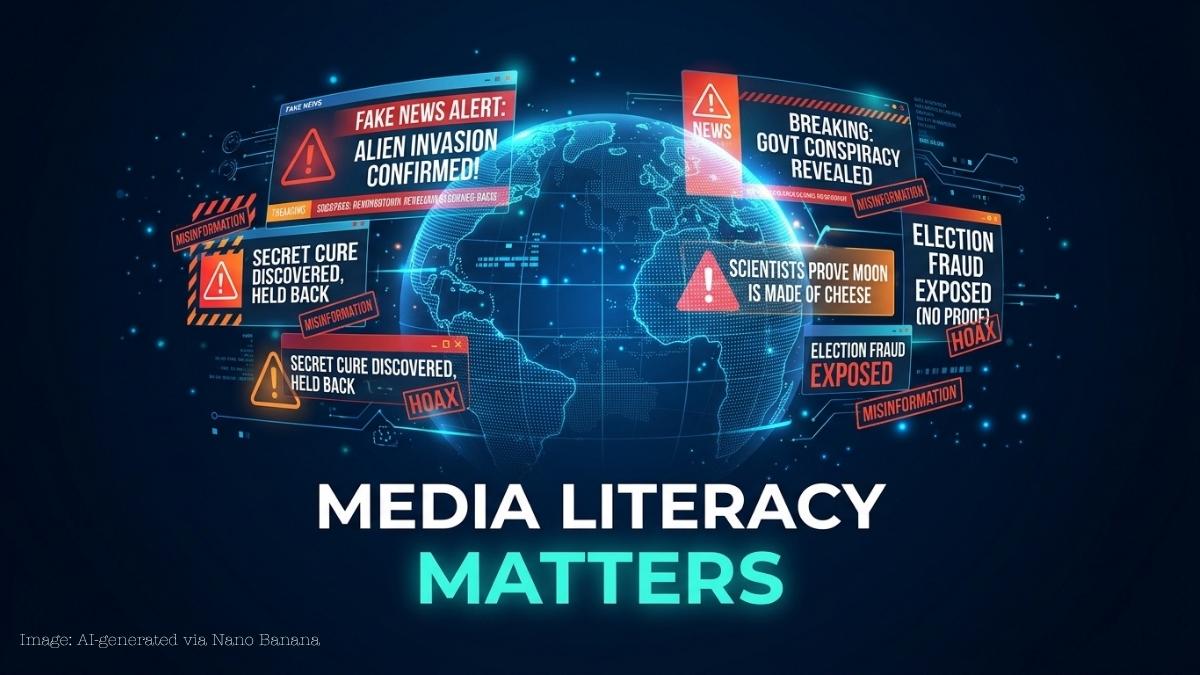
Deepfakes, AI-generated articles, synthetic audio, and automated recommendation systems are increasingly influencing how people consume news and social media content. Experts warn that limited public understanding of these technologies could increase vulnerability to misinformation.
UNESCO has repeatedly emphasized that media literacy is becoming essential for navigating modern digital environments responsibly.
How are educators and institutions responding?
Schools, universities, and international organizations are increasingly integrating AI awareness into digital education programs.
These efforts focus on helping students and the public evaluate sources critically, recognize manipulated content, and understand how recommendation algorithms shape online experiences.
The broader push reflects growing concerns about AI’s impact on elections, public discourse, and trust in online information systems.
What challenges does AI create for media and journalism?
AI-generated media raises concerns about authenticity, transparency, and the spread of false information.
Journalists and educators are increasingly discussing how to verify AI-generated materials and maintain trust in digital reporting. Some experts also warn that AI recommendation systems may amplify sensational or misleading content for engagement.
Public awareness campaigns and literacy programs are therefore becoming a key part of broader AI governance discussions worldwide.
What happens next
UNESCO is expected to continue expanding AI literacy programs throughout 2026 as concerns around misinformation and synthetic media intensify globally. International organizations may also push for stronger educational standards related to AI awareness and responsible digital participation.
To see how AI oversight and critical evaluation are becoming important across industries, read “Law Schools Expand AI Training as Legal Industry Adapts to Automation”. The article explores how institutions are teaching AI literacy, ethics, and verification skills.