
Last Updated on May 14, 2026 by Spencer Lee
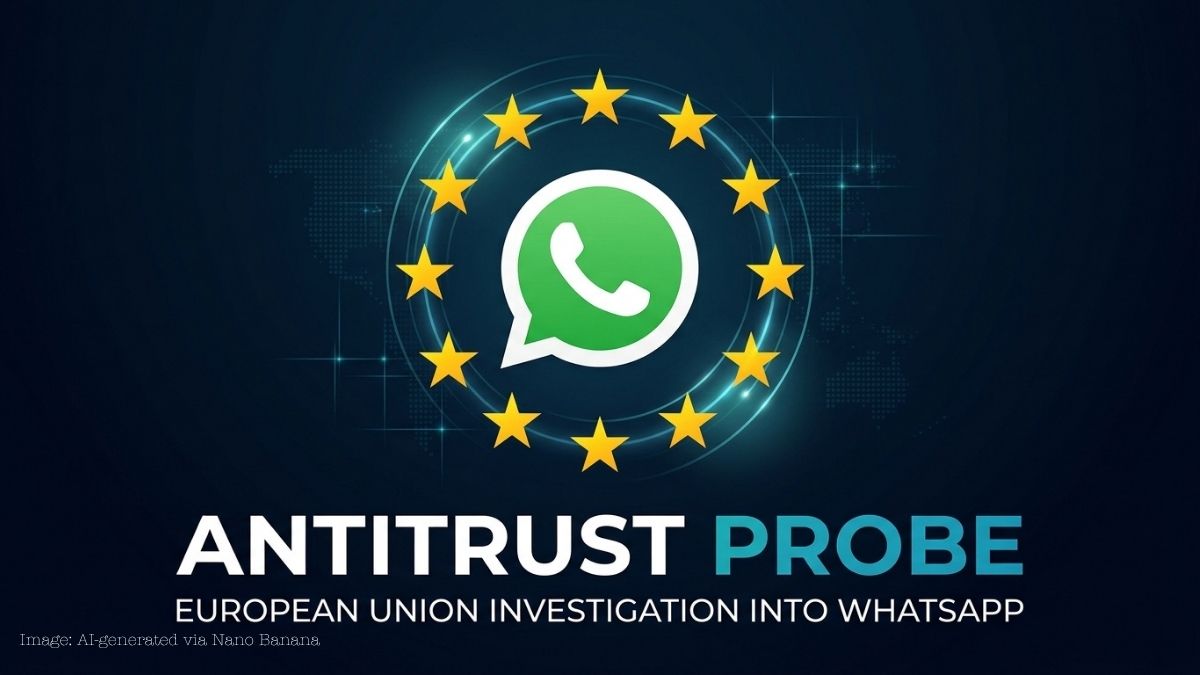
Meta is facing growing scrutiny in Europe over the integration of AI chatbots into WhatsApp, with regulators examining potential antitrust and competition concerns. The investigation centers on whether Meta could use its dominant messaging ecosystem to gain an unfair advantage in the AI market.
European regulators have increased oversight of major technology companies as AI becomes integrated into widely used consumer platforms. Authorities are particularly focused on whether dominant firms could leverage existing market power to expand control into emerging AI services.
Messaging platforms such as WhatsApp provide access to billions of users globally, making them valuable distribution channels for AI assistants and automated services. This has intensified concerns about competition, interoperability, and consumer choice.
Why are EU regulators examining Meta’s AI chatbots?
European regulators are reportedly reviewing whether Meta’s integration of AI chatbots into WhatsApp could create unfair competitive advantages in the AI market.
The concern is that Meta may be able to use its dominant messaging ecosystem to rapidly distribute AI services while limiting opportunities for competitors. Regulators are also assessing how AI integrations could affect user choice and platform neutrality.
The scrutiny comes as the European Union continues enforcing the Digital Markets Act (DMA), which targets anti-competitive behavior among large technology platforms.
How is Meta integrating AI into WhatsApp?
Meta has been expanding AI features across WhatsApp, Instagram, Facebook, and Messenger through its Meta AI assistant.
The chatbot can answer questions, generate content, and assist users directly within messaging environments. Meta has positioned these integrations as part of a broader strategy to make AI assistants accessible across its consumer ecosystem.
The company has increasingly emphasized AI as a core growth area alongside advertising and social media infrastructure.
Why does WhatsApp’s scale matter in AI competition?
WhatsApp’s global user base gives Meta a significant distribution advantage for AI products.
With more than two billion users worldwide, the platform provides immediate access to consumers without requiring them to download separate AI applications. Regulators are concerned this scale could make it difficult for competing AI providers to gain traction.
European authorities have previously investigated large tech firms over bundling practices and ecosystem advantages tied to dominant platforms.
What could happen if regulators find antitrust issues?
If regulators determine Meta violated EU competition rules, the company could face fines or restrictions on how AI services are integrated into WhatsApp.
The Digital Markets Act allows European authorities to impose substantial penalties on companies designated as “gatekeepers” if they abuse market dominance. Regulators could also require changes related to interoperability or user choice.
The outcome may influence how other large technology firms deploy AI assistants across dominant consumer platforms in Europe.
What happens next?
Meta is expected to continue expanding AI integrations across its apps while engaging with European regulators over compliance concerns. The EU’s response could shape future rules governing how major technology companies distribute AI services through large digital ecosystems.
To see how AI agents are evolving across consumer platforms, read “DappOS Launches xBubble AI Agent for Personalized Automation”. The article explores how adaptive AI assistants are learning user behavior and automating workflows.