
Last Updated on April 17, 2026 by Spencer Lee
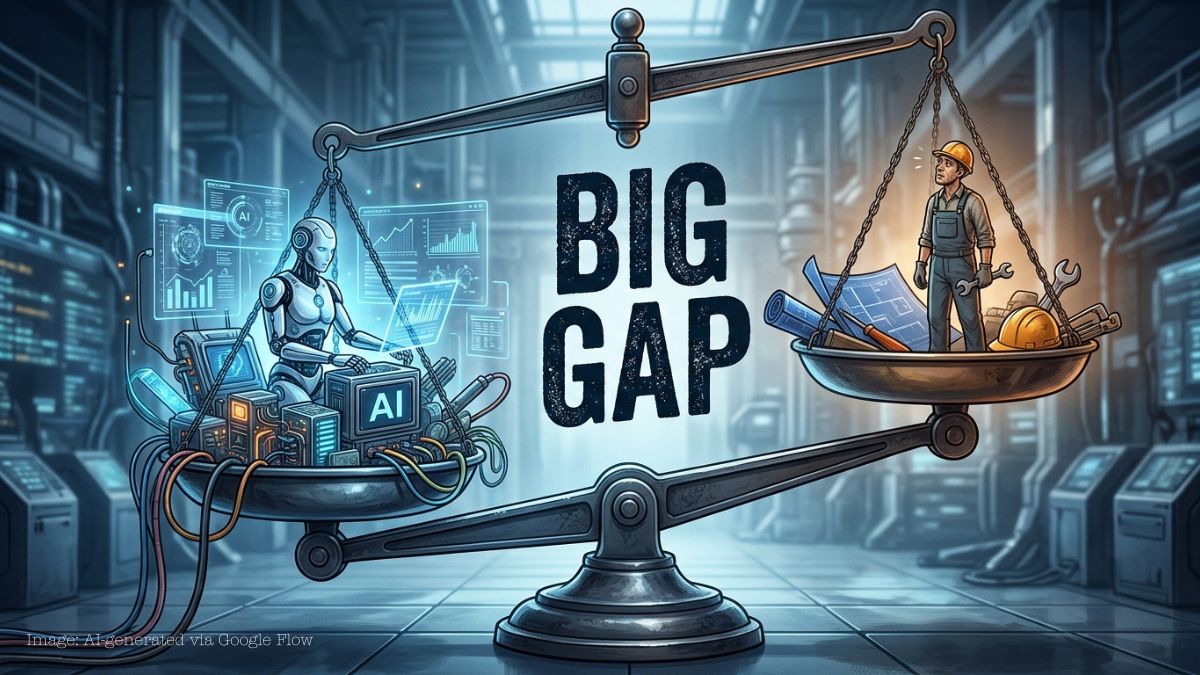
A 2026 study finds organizations are rapidly adopting AI tools but lack the skills, governance, and infrastructure to use them effectively. The report highlights a growing gap between AI usage and readiness, raising concerns about long-term productivity, risk management, and business outcomes.
AI adoption has accelerated across industries as companies integrate automation, data analysis, and generative tools into daily operations. Businesses are using AI to improve efficiency, reduce costs, and enhance decision-making processes at scale.
However, rapid adoption has outpaced internal preparedness. Many organizations lack the training, governance frameworks, and technical infrastructure needed to manage AI effectively, creating a mismatch between usage and capability.
What does the study reveal about AI adoption and readiness?
The study shows that while AI adoption is increasing, workforce readiness is lagging behind, creating a growing skills gap.
Companies are implementing AI tools across departments, but many employees lack the technical and practical knowledge needed to use them effectively. This results in underutilized tools and limited return on investment.
According to Study.com (2026), 62% of employers say they struggle to find candidates with AI-related skills, highlighting a major barrier to effective AI adoption.
Why is there a gap between AI use and workforce skills?
The gap exists because AI adoption is moving faster than workforce training and education systems can keep up.
Businesses are prioritizing rapid implementation to stay competitive, but many have not invested enough in employee training or upskilling. At the same time, educational institutions are still adapting curricula to meet new AI demands.
What risks does this AI skills gap create?
The skills gap increases the risk of inefficient AI use, poor decision-making, and missed business opportunities.
Organizations without skilled workers may rely on AI outputs without fully understanding them, leading to errors or misuse. It also slows innovation, as companies cannot fully leverage the capabilities of advanced AI systems.
The report also found that 71% of employers believe AI skills will be essential for most jobs in the near future, emphasizing the urgency of closing the gap.
How are companies responding to the AI skills shortage?
Companies are beginning to invest more in training programs, internal upskilling, and AI-focused hiring strategies.
Many organizations are offering AI training to existing employees while also seeking candidates with specialized skills. These efforts aim to bridge the gap between adoption and readiness and ensure AI tools deliver real value.
What happens next?
Businesses are expected to increase investments in AI training and workforce development throughout 2026 to address the growing skills gap. As demand for AI talent rises, companies that successfully upskill their workforce will gain a competitive advantage, while those that fail to adapt may struggle to fully benefit from AI adoption.