
HubSpot launched a new Answer Engine Optimization (AEO) tool in April 2026 to help businesses improve visibility in AI-powered search platforms like ChatGPT and Google AI Overviews. The tool focuses on tracking AI citations and optimizing content for AI-generated answers.
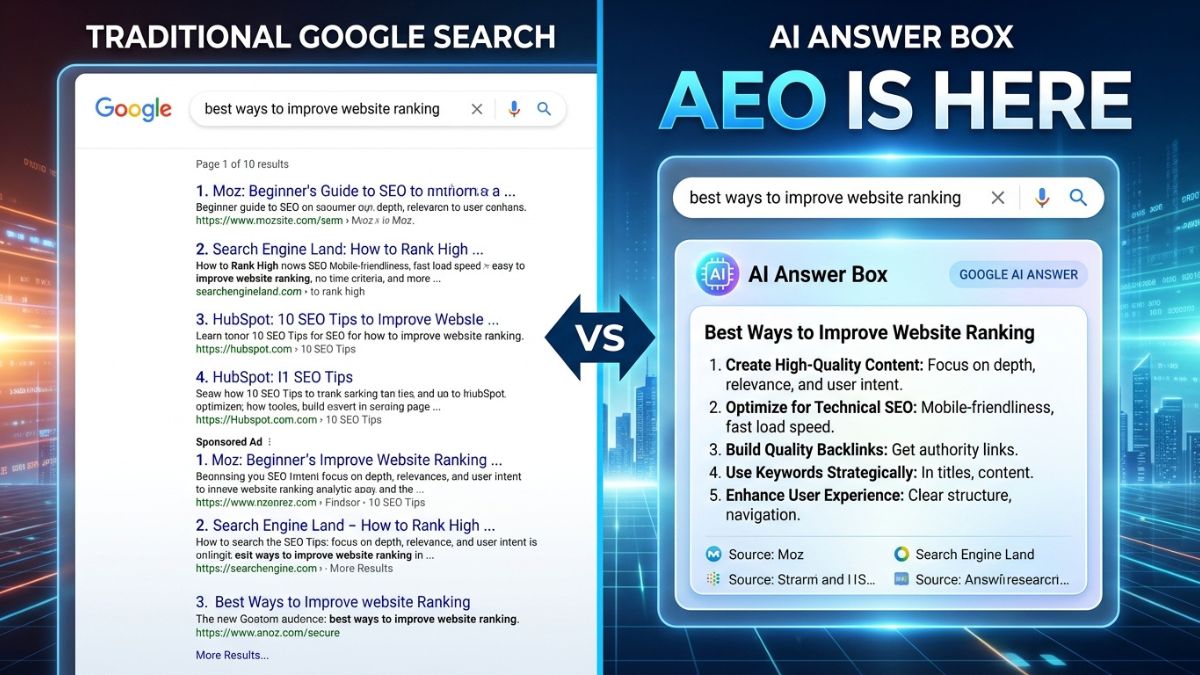
Search behavior is shifting from traditional keyword-based queries to AI-generated answers, changing how users discover brands online. Instead of clicking links, users increasingly rely on platforms that provide direct responses, reducing website traffic while increasing the importance of being cited in AI outputs.
This shift has created demand for new tools that help businesses understand how AI systems interpret and present their content. Companies are now focusing on visibility within AI-generated responses rather than just search rankings, marking a major evolution in digital marketing strategies.
What is HubSpot’s new AEO tool?
HubSpot’s AEO tool is designed to help businesses analyze and improve how their content appears in AI-generated answers across platforms.
The tool evaluates brand visibility across systems like ChatGPT, Perplexity, and Gemini, offering insights into how AI models interpret, cite, and describe a company. It also provides recommendations to improve content structure, clarity, and authority so it can be reused in AI responses.
Why is AEO becoming important for marketers?
AEO is becoming critical because AI systems are replacing traditional search results with direct answers, reducing the need for users to click on websites.
According to HubSpot (2026), AEO focuses on structuring content so AI systems can extract and cite it in responses rather than simply ranking it in search results.
How does the tool fit into HubSpot’s broader AI strategy?
The AEO tool is part of a larger rollout of AI-powered features designed to help businesses grow using data, automation, and contextual insights.
HubSpot introduced AEO alongside AI agents, smart deal progression tools, and over 100 platform updates aimed at improving how companies manage customer relationships and marketing performance.
What does this mean for the future of search?
The launch reflects a broader shift toward AI-driven discovery, where visibility depends on being included in answers rather than ranked in search results.
As AI platforms increasingly deliver synthesized responses, businesses must adapt their strategies to ensure their content is structured, clear, and authoritative enough to be selected by these systems.
What happens next?
HubSpot is expected to expand its AEO capabilities throughout 2026, integrating deeper analytics and automation into its platform. As adoption grows, more companies will likely invest in AEO strategies to remain visible in AI-driven search, while competitors develop similar tools to track and optimize AI citations.