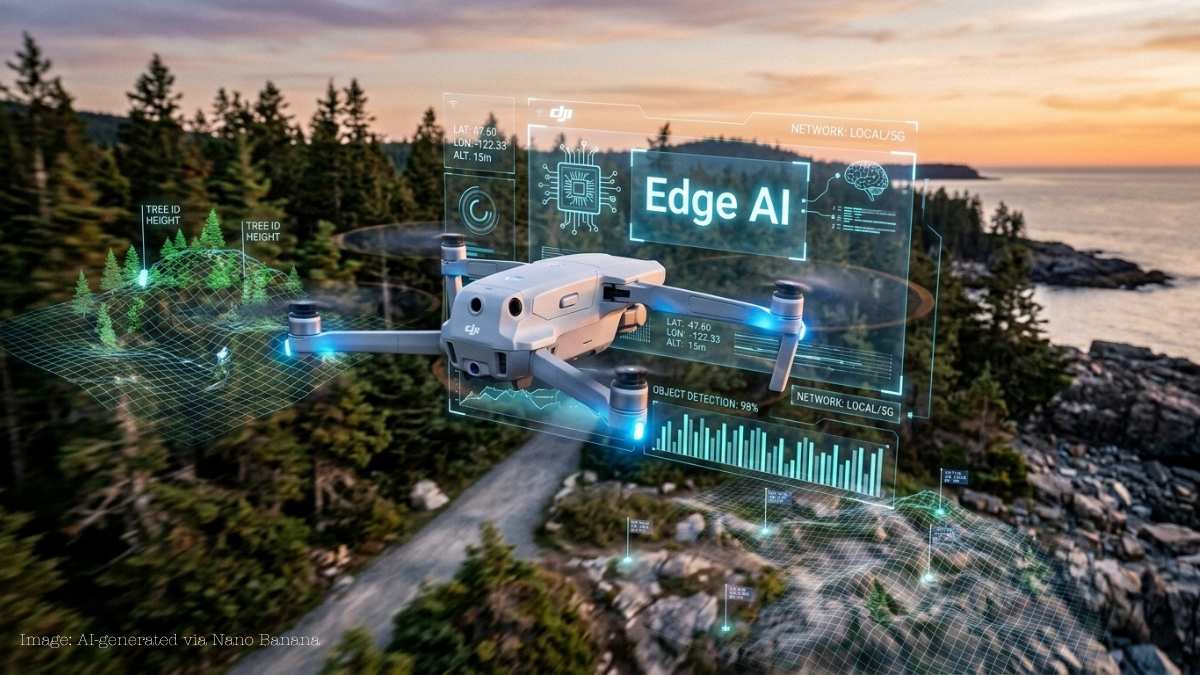
Blaize and Winmate partner to bring AI to rugged systems for defense and infrastructure, enabling real-time edge computing without cloud reliance.

AI Technology & Laptop Advice for Work

Blaize and Winmate partner to bring AI to rugged systems for defense and infrastructure, enabling real-time edge computing without cloud reliance.
Find out exactly how much VRAM you need for LLM inference, fine-tuning, image generation, and video AI in 2026 — with a full breakdown by model size and workload type.
Remote vs hybrid work isn’t just a workplace trend—it’s a lifestyle decision. From flexibility to focus, social connection to career visibility, the right setup can shape everything from your daily routine to long-term growth. Learn the key differences and how to choose what fits you best.
Pentagon partners with seven tech companies to deploy AI on classified systems, aiming to improve military operations and decision-making.
OpenAI introduces Advanced Account Security, enabling passkeys and hardware keys to replace passwords for stronger ChatGPT account protection.
New AI system detects pancreatic cancer up to three years early using CT scans, improving early diagnosis and survival rates.
Accenture invests in Netomi to scale agentic AI for customer experience, helping enterprises automate support and improve efficiency.
GM adds Google Gemini AI to 4 million vehicles, replacing Assistant with a more advanced conversational system for drivers.
Anthropic reaches a $1 trillion valuation driven by AI growth, investor demand, and strong adoption of its Claude models.