
NVIDIA’s new RTX Spark platform is bringing up to 128GB of unified memory and 1 petaflop of FP4 AI performance to a new generation of Windows laptops and compact PCs. The first systems are expected in October, targeting users who want to run larger AI models and agents locally.
NVIDIA is bringing more memory to AI laptops
RTX Spark combines a Blackwell RTX GPU with an NVIDIA Grace CPU and up to 128GB of unified memory. NVIDIA says the platform is designed for AI developers, creators and gamers who want more AI processing to happen locally rather than in the cloud.
The platform is also designed for thin laptops, with NVIDIA highlighting a 45W–80W power range for its laptop configuration. Partners including Lenovo, Acer, ASUS, Dell, HP and MSI are expected to offer RTX Spark systems.
What can RTX Spark run locally?
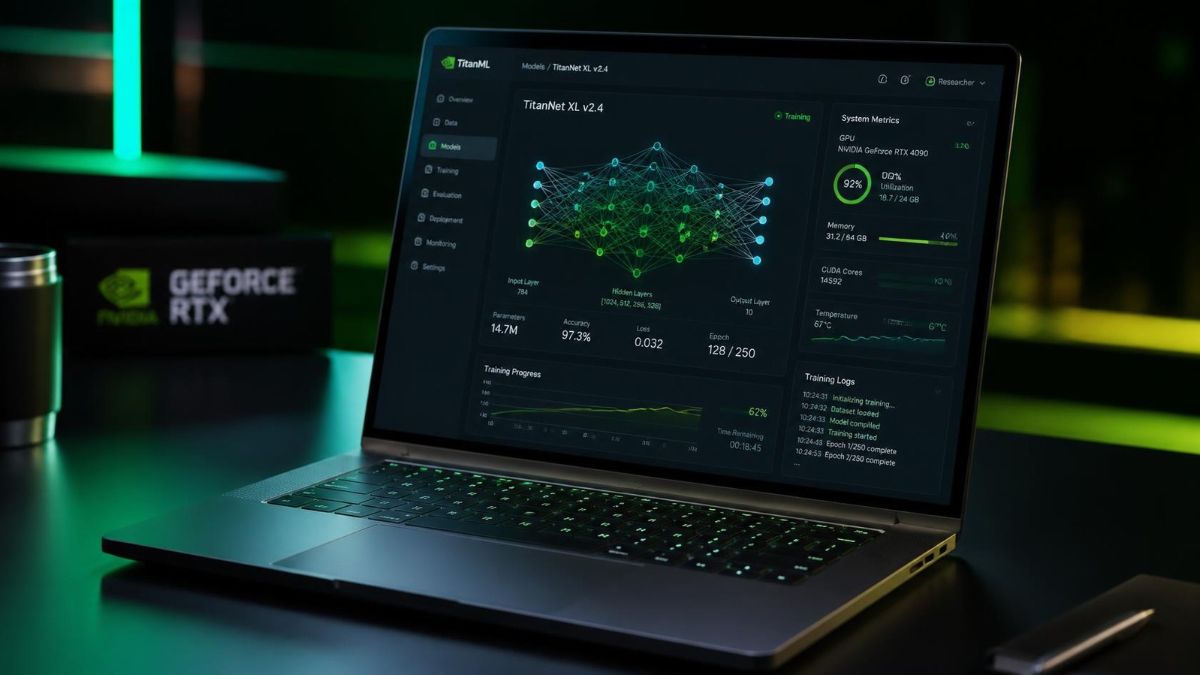
NVIDIA says RTX Spark can run 120-billion-parameter LLMs with up to a 1-million-token context window using local AI agents.
The large unified memory pool is important here. Instead of being restricted to the relatively small VRAM capacity found on many laptop GPUs, AI workloads can use a much larger shared memory pool.
That doesn’t mean every 120B model will perform equally well. Quantization, context length and software optimization will still affect real-world performance.
Why does 128GB of unified memory matter?
Memory can be the biggest limitation when running AI models locally.
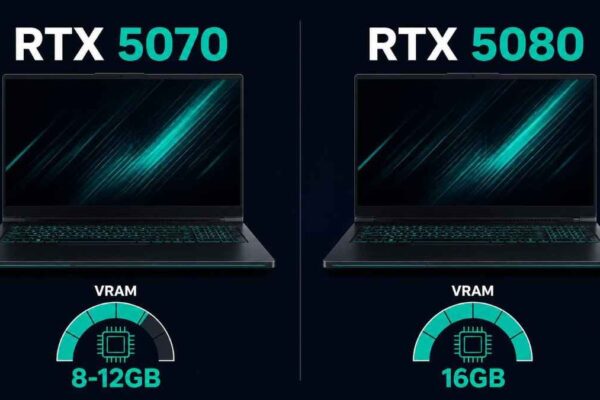
A laptop with 8GB or 16GB of GPU VRAM can quickly run out of space with larger models or long context windows. RTX Spark’s unified-memory design gives compatible AI workloads substantially more room.
NVIDIA says the platform can also be used to prototype, fine-tune and run inference on newer AI models locally.
This makes RTX Spark particularly interesting for developers who want to experiment with local LLMs without immediately moving their workloads to a cloud GPU.
When are RTX Spark laptops arriving?
NVIDIA says RTX Spark laptops and desktops will begin arriving in October 2026.
Lenovo has already announced RTX Spark-powered Yoga systems, while Acer has shown a compact RTX Spark design. NVIDIA says additional systems from major PC manufacturers are also expected.
Pricing remains an important unanswered question. The high-end hardware and large memory capacity suggest these machines will target the premium end of the laptop market.
What does RTX Spark mean for AI laptops?
RTX Spark could make large-memory local AI laptops a more realistic product category.
Until now, buyers looking to run larger models locally have generally had to choose between powerful gaming/workstation laptops with dedicated VRAM or systems with large unified-memory architectures.
RTX Spark combines the latter approach with NVIDIA’s CUDA and RTX ecosystem, potentially giving AI developers a portable system that can handle larger models while also supporting GPU-accelerated creative and gaming workloads.
The real test will come when retail laptops are independently benchmarked.
What happens next?
RTX Spark laptops are expected to launch in October. Independent testing will reveal how the 128GB systems perform with real local LLMs, AI agents, image generation and other demanding workloads.
The biggest question isn’t simply how fast RTX Spark is. It’s whether 128GB of unified memory changes what can realistically be done with AI on a laptop.
Related article:
How to Run a Local LLM on a Laptop in 2026
Our guide explains how local LLMs work, how much memory different models require, and how tools such as Ollama let you run AI models directly on your laptop.