
The Hershey Company is expanding its use of artificial intelligence to improve marketing, consumer insights, and business decision-making. The company says AI tools are helping teams analyze customer behavior faster and optimize campaigns more efficiently.
Consumer brands are increasingly adopting AI to improve marketing performance and respond faster to changing customer trends. AI systems can analyze purchasing behavior, campaign performance, and consumer sentiment at a scale that traditional analytics tools struggle to match.
At the same time, companies are under pressure to make faster business decisions while controlling costs. This has accelerated investment in AI-powered tools that automate data analysis and support strategic planning across multiple departments.
How is Hershey using AI in marketing?
Hershey is using AI to improve campaign planning, customer targeting, and market analysis.
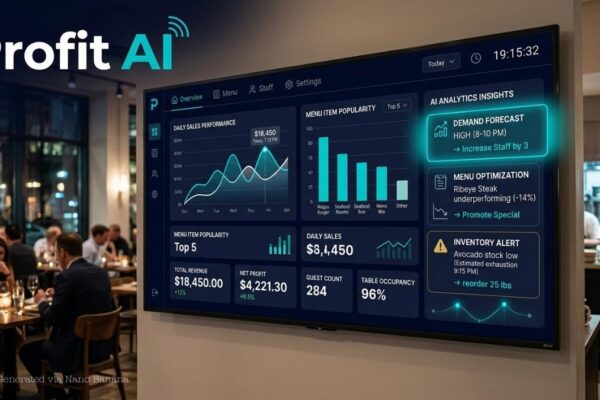
The company says AI tools help teams analyze consumer data more quickly, identify trends, and optimize marketing strategies in real time. This allows faster adjustments to campaigns and more personalized engagement with customers.
Cited by ConfectioneryNews (2026) said AI is helping transform “decision-making and marketing effectiveness” across the business.
Why are consumer brands investing heavily in AI?
Brands are investing in AI because it improves efficiency, forecasting, and customer engagement.
AI systems can process large volumes of consumer and sales data quickly, helping businesses identify trends earlier and make faster operational decisions. Companies also use AI to automate repetitive marketing tasks and improve advertising performance.
The shift reflects a broader trend across retail and consumer goods industries as companies compete to deliver more personalized experiences.
What business areas could AI impact at Hershey?
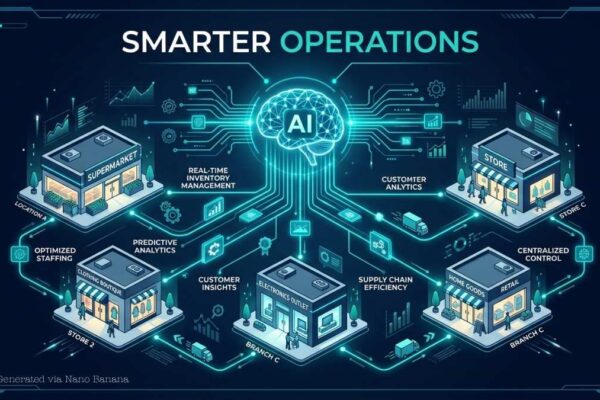
Beyond marketing, AI could influence supply chain planning, product forecasting, and operational efficiency.
Food and consumer brands increasingly rely on predictive analytics to anticipate demand and manage inventory more effectively. AI systems can also help identify shifts in consumer preferences and emerging market opportunities.
The company’s growing AI focus suggests automation and analytics may become more integrated across multiple business functions in the coming years.
What does this mean for the future of AI in retail?
The expansion of AI at Hershey highlights how consumer brands are moving beyond experimentation toward enterprise-wide AI adoption.
Retail and food companies are increasingly using AI not only for advertising but also for strategic planning and operational management. This trend is expected to accelerate as businesses seek competitive advantages through faster, data-driven decisions.
What happens next?
The Hershey Company is expected to continue expanding AI integration across marketing and business operations throughout 2026. As AI tools become more advanced, more consumer brands are likely to adopt similar systems for forecasting, automation, and customer engagement.
To see how companies are implementing AI governance alongside adoption, read “AI Accountability Tops Enterprise Requirements for Tools”. The article explains why businesses are prioritizing transparency and oversight as AI deployment accelerates.