

Last Updated on April 21, 2026 by Spencer Lee
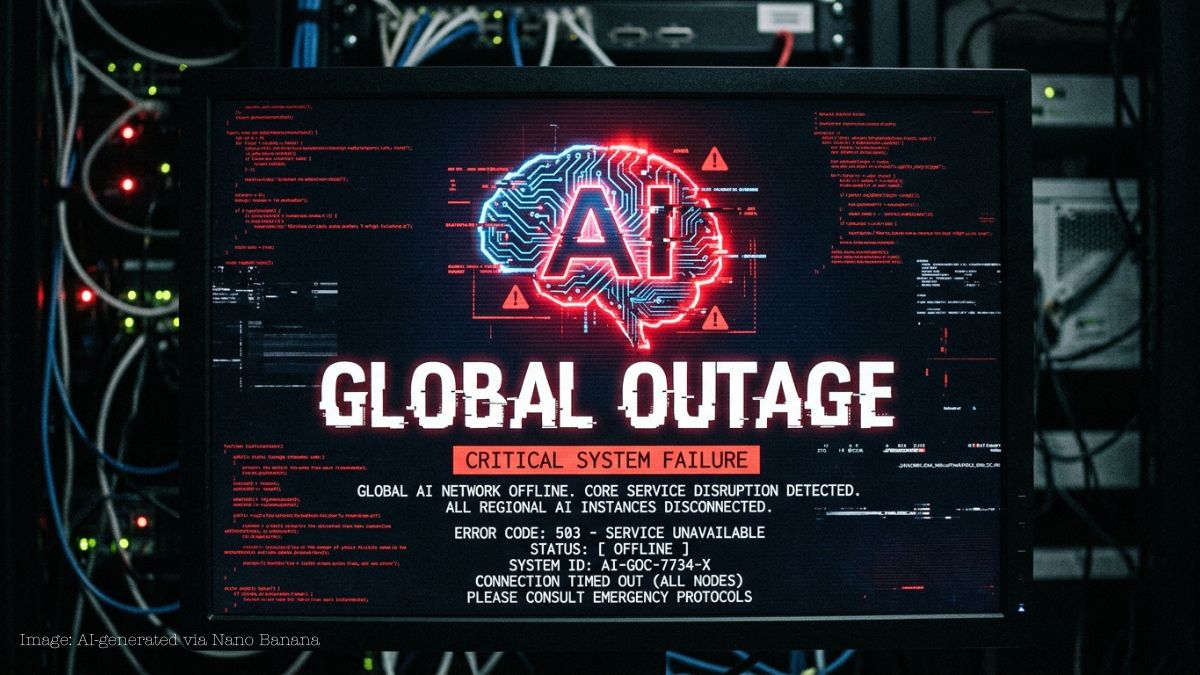
OpenAI experienced a global outage on April 20, 2026, affecting thousands of ChatGPT users. The disruption impacted web, mobile, and API services, preventing access and responses, as the company investigated and worked to restore normal operations.
AI tools like ChatGPT have become critical infrastructure for businesses, developers, and everyday users. Millions rely on these systems daily for writing, coding, research, and customer support, making outages highly disruptive.
As adoption grows, even short service interruptions can have widespread impact. This has increased scrutiny on reliability, uptime, and the ability of AI platforms to handle global demand without failure.
What happened during the ChatGPT outage?
ChatGPT experienced a widespread outage on April 20, 2026, preventing thousands of users from accessing the platform or receiving responses.
Reports of issues began around 10:05 a.m. ET, with users encountering login failures, error messages, and slow responses. The outage affected multiple services, including ChatGPT, Codex, and OpenAI’s API platform.
According to TechRadar (2026), more than 8,700 outage reports were recorded in the UK and about 1,900 in the U.S. at the peak of the disruption.
How widespread was the disruption globally?
The outage affected users across multiple countries, making it a global service disruption rather than a localized issue.
News reports confirm that thousands of users worldwide were unable to access ChatGPT, with spikes in outage reports recorded across the U.S., U.K., and India.
Downdetector data showed surges in user complaints during the outage window, highlighting the scale of the disruption.
What caused the ChatGPT outage?
The exact cause of the outage was not immediately disclosed, but OpenAI confirmed it was investigating the issue during the incident.
OpenAI stated that multiple services were experiencing degraded performance, indicating a system-wide issue rather than a single feature failure.
Reports note that the outage was classified as a “partial outage,” affecting access, conversation loading, and API functionality simultaneously.
How long did the outage last and how was it resolved?
The outage lasted roughly 90 minutes before services began returning to normal for most users.
OpenAI deployed a fix during the disruption and later confirmed it was “monitoring the recovery” as systems stabilized.
By early afternoon, outage reports had dropped significantly, indicating that most users regained access, though some experienced lingering issues.
What happens next?
OpenAI is expected to investigate the root cause of the outage and improve system reliability to prevent similar disruptions. As reliance on AI tools continues to grow, future updates will likely focus on infrastructure resilience, uptime guarantees, and faster recovery times during global service failures.
To understand how AI platforms are managing access and reliability, read “OpenAI Expands Cyber Defense Access With GPT-5.4-Cyber”. It explains how OpenAI is scaling secure and controlled usage of its most advanced systems.