
Last Updated on October 11, 2026 by Spencer Lee
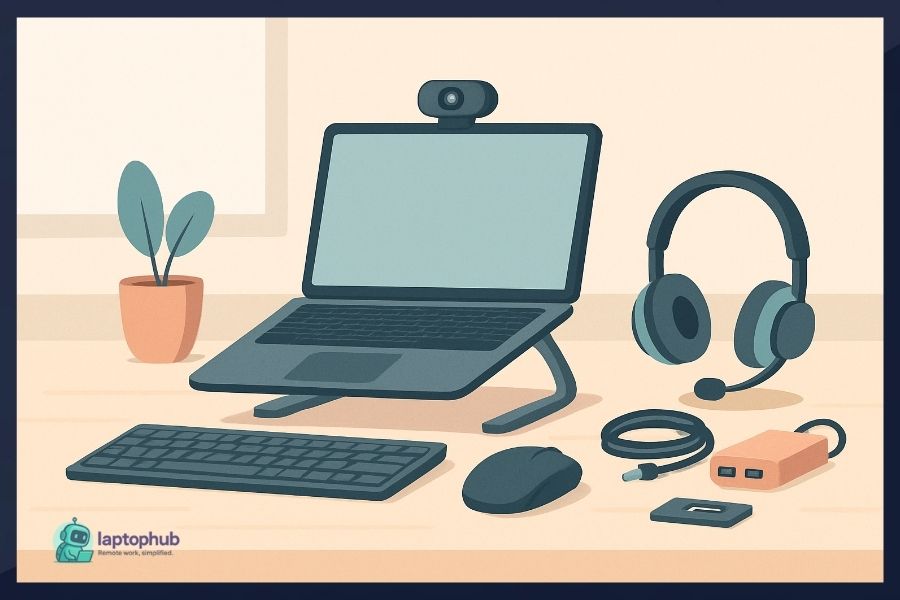
The best remote work accessories fix the three things a laptop does poorly: screen space, posture, and sound. Start with a laptop stand plus an external keyboard and mouse for posture, add a monitor for screen space, and choose noise-canceling headphones for calls. A USB-C hub, portable SSD, and surge protector handle ports, storage, and power. Privacy screens, power banks, lamps, and cushions are situational. This guide covers 14 picks, each with pros, cons, and who it fits. If you also run local AI on your laptop, see our guide to accessories for AI laptops.
Why This Matters
A laptop is built to be portable, which means its screen is small, its keyboard sits too low, and its ports are limited. Working from it all day at a kitchen table or in a cafe leads to neck strain, cramped multitasking, and cable clutter. The right accessories fix those problems cheaply, and they usually improve how you work more than a faster laptop would.
This guide ranks 14 accessories by how much they change a remote workday. Each pick lists real specs where we could verify them, plus pros, cons, and a plain verdict on who should buy it. Product details below come from manufacturer and retailer listings, so check the current listing through the link on each pick before you buy, since models and prices change.
At a Glance: 14 Remote Work Accessories
| Accessory | Linked pick | Key detail | Best for |
|---|---|---|---|
| Portable monitor | Dell Pro 14 Plus Portable Monitor | 14″ 1920×1200 IPS, 2 USB-C ports | Travel and cafe work |
| Laptop stand | Amazon Basics Ergonomic and Foldable Laptop Stand | Foldable, raises screen height | Posture at a desk |
| Keyboard and mouse | Logitech K400 Plus Wireless Touch Keyboard | Wireless keyboard with built-in touchpad | Compact, light use |
| Headphones | Sony WH-1000XM5 | Over-ear noise canceling, multipoint | Noisy homes and frequent calls |
| Webcam | Logitech Brio | Up to 4K, HDR | Client calls and presentations |
| USB-C hub | UGREEN Revodok 105 | 4K 30Hz HDMI, 100W pass-through | Adding basic ports |
| Portable SSD | SSK 1TB Portable SSD | Up to 1,050MB/s, 10Gbps USB-C | Backups and large files |
| Desk lamp | SUPERDANNY LED Desk Lamp | Adjustable light | Eye strain and video calls |
| Surge protector | Nuetsa Surge Protector Power Strip | Power strip with USB ports | Protecting gear |
| Cable management | Iron Forge Cable Management Box (2 Pack) | Hides power strips and bricks | Tidy desks |
| Seat cushion | Everlasting Comfort Seat Cushion | Memory foam seat support | Long sitting hours |
| Microphone | HyperX SoloCast USB Condenser Microphone | USB plug-and-play condenser | Podcasts and meetings |
| Privacy screen | 14 Inch 16:10 Laptop Privacy Screen Filter | Narrows viewing angle | Cafes and shared spaces |
| Power bank | Anker 25,000mAh Laptop Power Bank | Laptop-capable USB-C output | Working without outlets |
1. Do You Need an External Monitor for Remote Work?
Yes, if you work on a 13- or 15-inch laptop screen all day, a second display is the biggest single upgrade. For a fixed desk, a 24-inch 1080p monitor is the practical minimum and a 27-inch 4K display is ideal, preferably with a matte finish to cut glare. For travel, a portable monitor is the better fit.
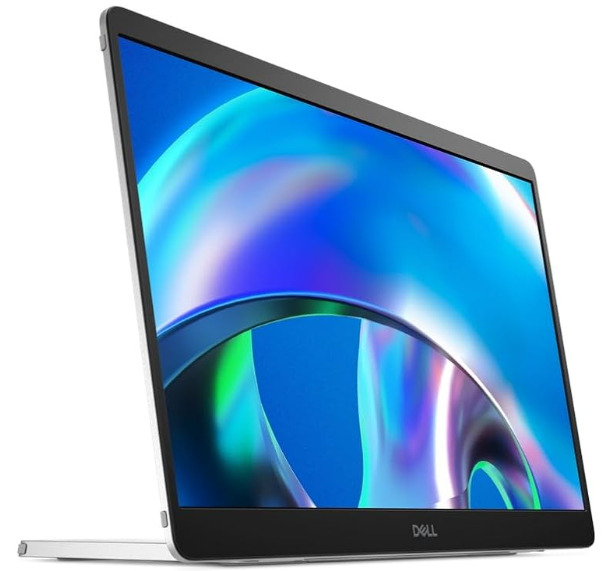
Our pick is the Dell Pro 14 Plus Portable Monitor, a 14-inch portable screen, not a desktop monitor. It uses a 1920×1200 IPS panel at 60Hz with 400 nits of brightness, two USB-C ports, and up to 65W of power pass-through, so one cable can carry video and charge a lightweight laptop. It also supports a standard 100x100mm VESA mount.
Pros
Cons
This is best for those who want a second screen they can carry between home, cafes, and coworking spaces.
2. Do You Need a Laptop Stand?
Yes, a stand is the cheapest fix for neck strain. Raising the screen to eye level stops you from hunching, and the space underneath fits an external keyboard or storage. Look for adjustable height, a stable base, and a weight rating that matches your laptop.
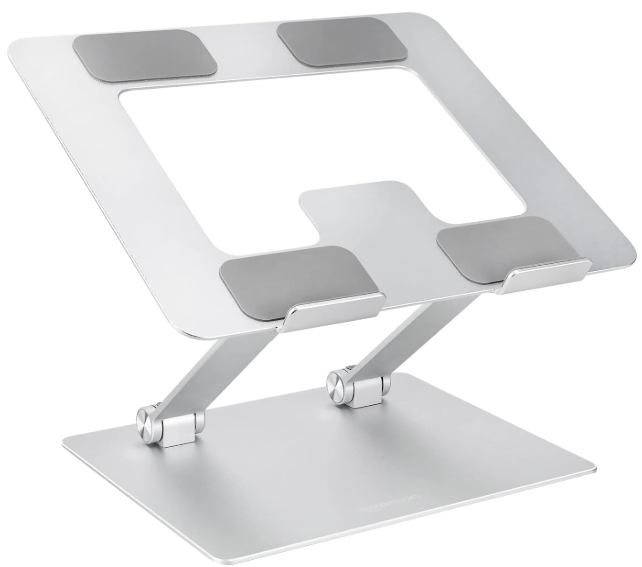
Our pick is the Amazon Basics Ergonomic and Foldable Laptop Stand. It folds flat for travel and lifts the screen toward eye level. A stand only works well once you add an external keyboard and mouse, since lifting the screen also lifts the keyboard out of comfortable reach.
Pros
Cons
This is best for those who want better posture at a desk or kitchen table for very little money.
3. Do You Need an External Keyboard and Mouse?
Yes, once the laptop sits on a stand. A separate keyboard and mouse let you type and point at the right height, and wireless models keep the desk clear. For all-day typing, a full-size keyboard with good key travel is the better long-term choice.
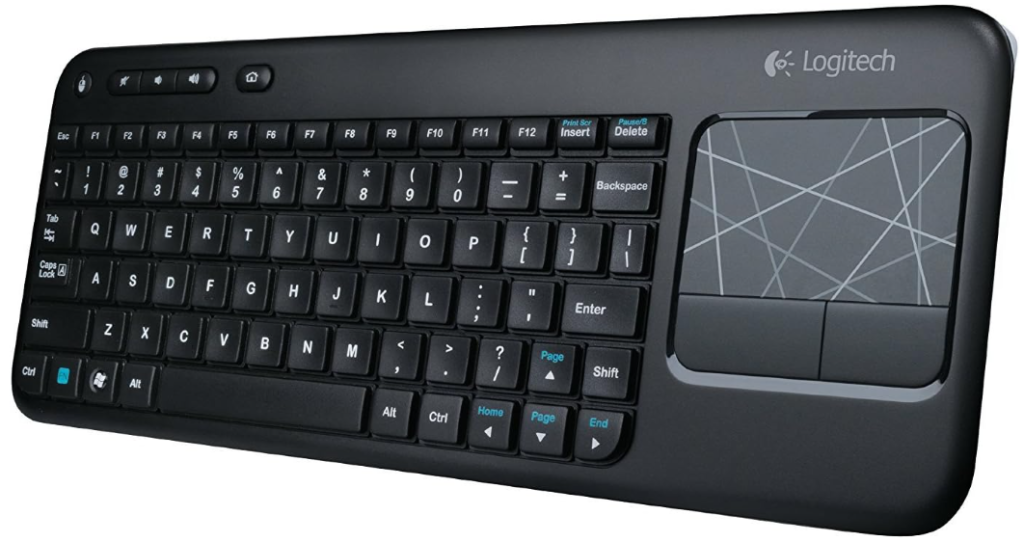
Our pick is the Logitech K400 Plus Wireless Touch Keyboard, a compact wireless keyboard with a built-in touchpad. It replaces a keyboard and mouse with one device, which suits light use, couch work, and small desks. It is not a mechanical or full-size ergonomic keyboard, so heavy typists may want something larger.
Pros
Cons
This is best for those who want one simple wireless device for light typing and a tidy desk.
4. Are Noise-Canceling Headphones Worth It for Remote Work?
Yes, if your home or workspace has background noise. Noise canceling removes steady sounds like traffic and fans, and a built-in microphone helps on frequent calls. Over-ear models block more than earbuds, while earbuds are easier to carry.
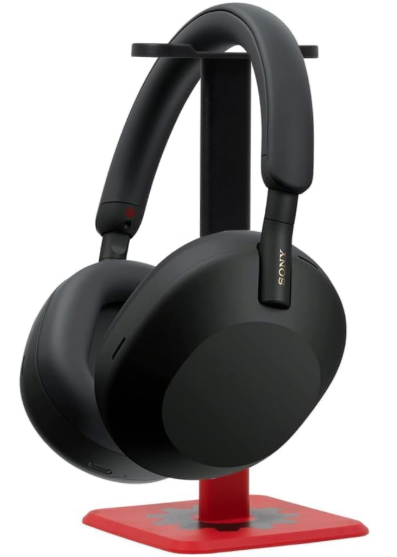
Our pick is the Sony WH-1000XM5, an over-ear noise-canceling model that supports connecting to two devices at once, so you can switch between a laptop and a phone. Sony has since released a newer WH-1000XM6, so compare both listings before you buy. Note that laptops with an NPU can apply background noise suppression to calls in software, but good hardware still gives a cleaner signal.
Pros
Cons
This is best for those who take frequent calls in noisy places and want the quiet to focus.
5. Is an External Webcam Worth Upgrading To?
Yes, if you are on video calls regularly, since built-in laptop webcams are often mediocre in low light. A better webcam improves how professional you look to clients and teammates. Pair it with decent lighting for the biggest effect.
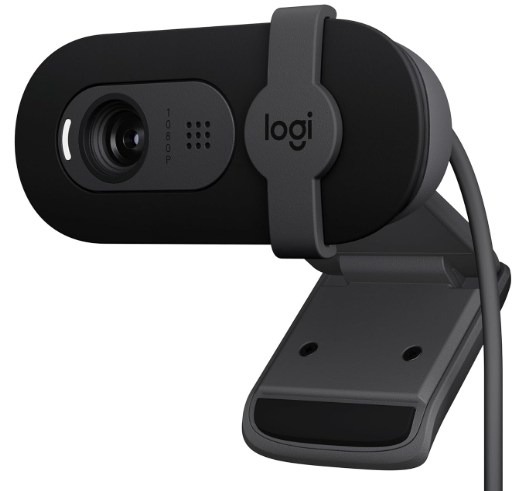
Our pick is the Logitech Brio, which records up to 4K with HDR support. Most video call apps compress video to 720p or 1080p, so you will not always see the full 4K, but the sensor and automatic light correction still beat most built-in cameras. If your laptop has NPU-powered effects like background blur, they work with an external camera in apps that support them.
Pros
Cons
This is best for those who present to clients or lead meetings and want a clearer, more professional picture.
6. Do You Need a USB-C Hub or Docking Station?
Yes, if your laptop has only one or two ports. A hub adds HDMI, USB-A, and charging pass-through, so you can connect a monitor, keyboard, and drive through one cable. Check the display resolution and charging wattage before buying.
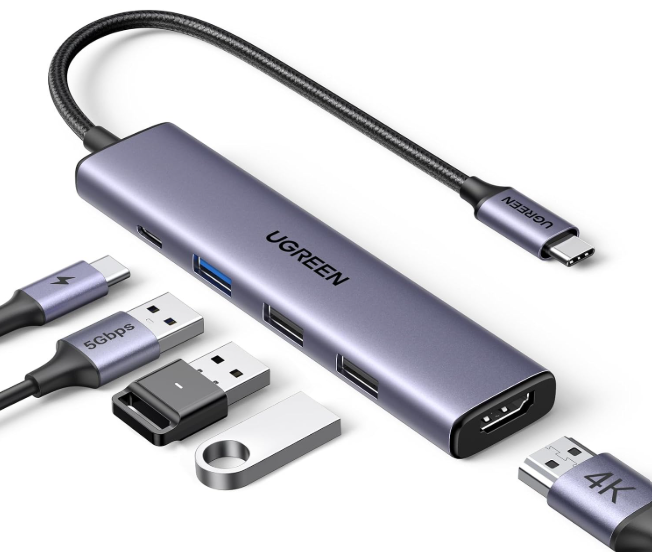
Our pick is the UGREEN Revodok 105 USB C Hub, a 5-in-1 hub with a 4K HDMI port, a USB-C power input with up to 100W pass-through, one 5Gbps USB-A port, and two 480Mbps USB-A ports. The HDMI output runs 4K at 30Hz only, which is fine for documents but not smooth for video. It has no Ethernet or SD card slot.
Pros
Cons
This is best for those who want a small, affordable way to add a monitor and basic ports to a thin laptop.
7. Is a Portable SSD Better Than Cloud Storage?
For speed and offline access, yes. A portable SSD lets you move large files, keep backups, and work without relying on internet speeds, while cloud storage remains better for sharing and automatic sync. Many people use both.
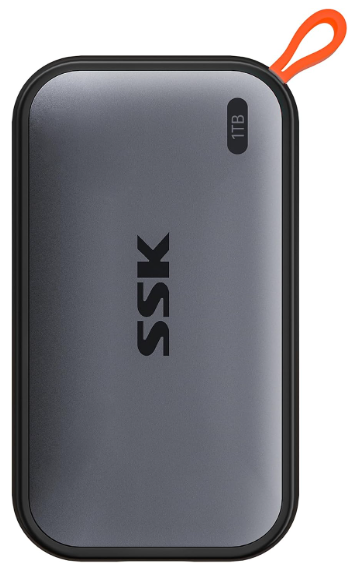
Our pick is the SSK 1TB Portable SSD, a USB-C drive rated for up to 1,050MB/s reads and 1,000MB/s writes over a 10Gbps connection. Like most drives in this class, it uses a fast cache for bursts, so sustained large transfers can run slower once the cache fills. A portable SSD also stores AI model files if you run local models, which is covered in our AI laptop accessories guide.
Pros
Cons
This is best for those who move large files or want a physical backup separate from the cloud.
8. Does a Desk Lamp Help With Remote Work?
Yes, lighting is overlooked. A lamp with adjustable brightness and color temperature reduces eye strain across the day and improves how you look on camera. Place it to the side so it lights your face and desk without reflecting off your screen.
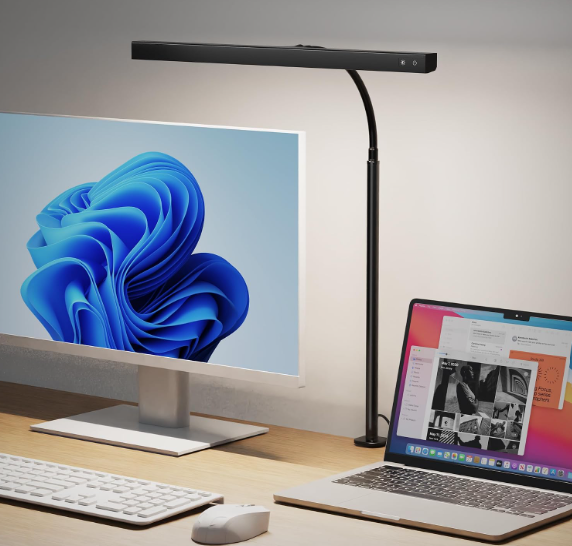
Our pick is the SUPERDANNY LED Desk Lamp. Check the current listing to confirm the adjustable brightness and color temperature settings, since those are the features that matter here. Warmer light suits evenings, and cooler light suits daytime focus.
Pros
Cons
This is best for those who work long hours or late evenings and want better lighting on a small budget.
9. Do You Need a Surge Protector?
Yes, a surge protector is a small cost for peace of mind. It protects your laptop, monitor, and peripherals from voltage spikes and adds extra outlets and USB charging ports. Look for at least 1,000 joules of protection and a flat plug that sits flush to the wall.
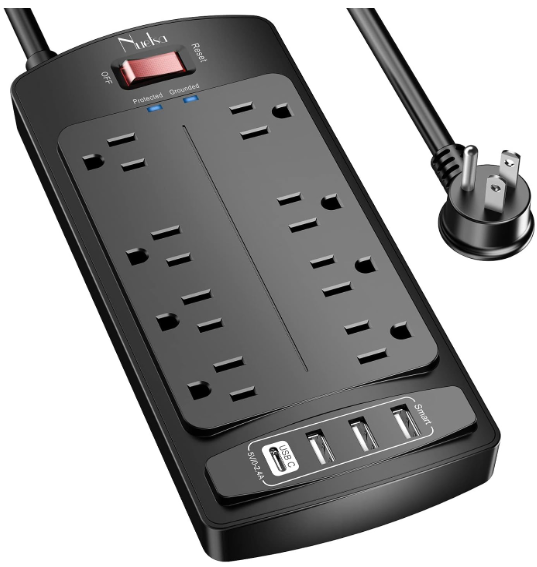
Our pick is the Nuetsa Surge Protector Power Strip. Check the listing for the joule rating and the number of outlets and USB ports before you buy, and replace any surge protector after a major surge, since the protection wears out over time.
Pros
Cons
This is best for those who want to protect a laptop, monitor, and peripherals without a large spend.
10. Are Cable Management Tools Worth It?
Yes, a tidy desk is easier to focus at. Velcro straps, cable clips, and under-desk trays keep wires organized. Our cable management ideas cover simple setups in more detail.
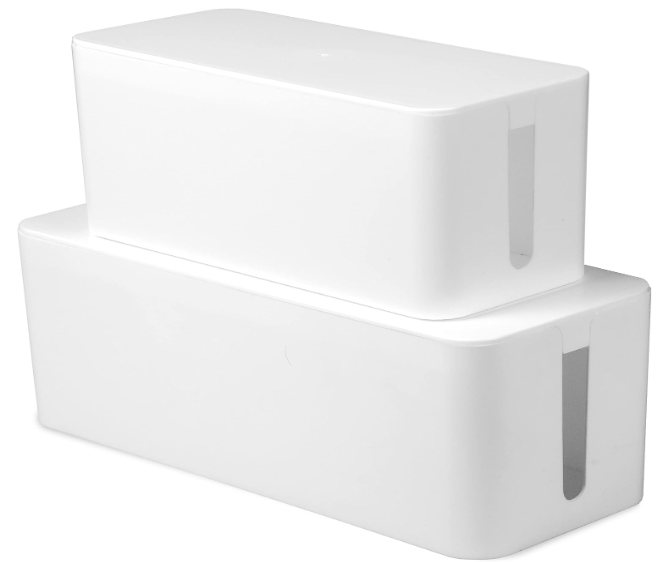
Our pick is the Iron Forge Cable Management Box (2 Pack), which hides a power strip and charger bricks in one box. Keep chargers ventilated, since enclosing a hot power brick in a tight box can trap heat. Leave the box lid or sides open when charging a high-wattage laptop.
Pros
Cons
This is best for those who want a clean, uncluttered desk without rewiring the room.
11. Is a Seat Cushion Worth It?
It can be. If you are not ready to buy a new ergonomic chair, a good cushion or lumbar support improves posture and reduces fatigue. It is not technically a laptop accessory, but it affects how long you can work comfortably.
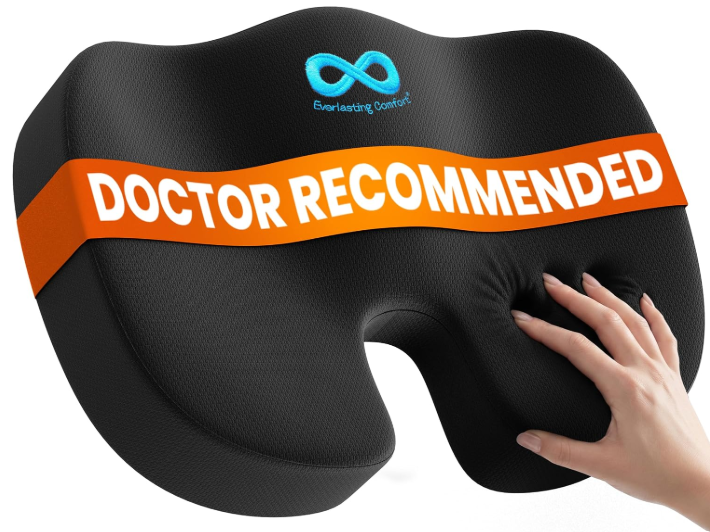
Our pick is the Everlasting Comfort Seat Cushion, a memory foam cushion for office or dining chairs. A cushion helps comfort but does not fix a chair that is the wrong height, so adjust your desk and chair first.
Pros
Cons
This is best for those who sit for long stretches on a basic chair and want an inexpensive comfort upgrade.
12. Do You Need a Dedicated Microphone?
Only if you record, podcast, or lead many meetings. A dedicated USB microphone improves audio clarity far beyond a built-in laptop mic, and clear audio matters more than video for how professional a call feels.
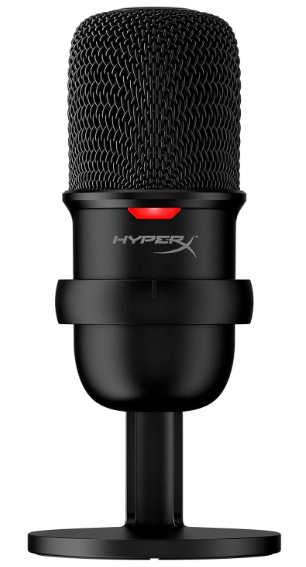
Our pick is the HyperX SoloCast USB Condenser Microphone, a plug-and-play USB condenser with a cardioid pickup pattern and a tap-to-mute sensor. A desk microphone also picks up keyboard clatter, so place it close to your mouth and away from the keyboard. If you take calls in noisy rooms, a headset with a boom mic may suit you better.
Pros
Cons
This is best for those who record, podcast, or present often and want a clear, professional sound.
13. Is a Laptop Privacy Screen Worth It?
If you work in cafes, coworking spaces, or on trains, yes. A privacy filter narrows the viewing angle so only the person directly in front of the screen can see it clearly. Match the filter to your screen size and aspect ratio.
Our pick is the 14 Inch 16:10 Laptop Privacy Screen Filter, made for 14-inch laptops with a 16:10 display. Filters also dim the screen and slightly reduce color vividness, so you may raise brightness to compensate.
Pros
Cons
This is best for those who handle sensitive work in public places and want a simple privacy layer.
14. Do You Need a Portable Laptop Charger or Power Bank?
Yes, if outlets are not guaranteed. A laptop-capable power bank can extend a workday or save a call when the battery runs low. Check that its USB-C Power Delivery output matches your laptop’s power needs.
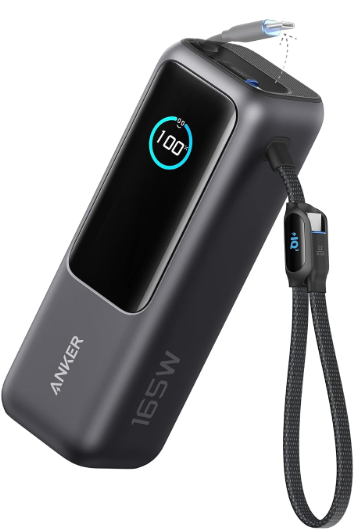
Our pick is the Anker 25,000mAh Laptop Power Bank. A 25,000mAh battery holds roughly 90Wh at typical cell voltage, which stays under the 100Wh limit most airlines allow in carry-on bags. Power banks must travel in your carry-on, not checked luggage. Confirm the output wattage in the current listing, since some laptops need more than a power bank can supply.
Pros
Cons
This is best for those who work from cafes, trains, and travel and want backup power for a laptop and phone.
Do AI Laptops Need Different Accessories?
Yes, in a few ways. If you run local AI models, you will care about thermals, fast storage for large model files, high-wattage power, and sometimes an external GPU. Those needs differ from a standard remote work setup, so we cover them in a separate guide: Best Accessories for AI Laptops.
If you are still choosing a laptop, our guides to the best laptops for remote work, the best laptops for AI workloads, and the best budget AI laptops can help you match hardware to your work.
What Mistakes Do People Make When Buying Remote Work Accessories?
The most common mistake is buying gadgets before fixing posture. A stand, keyboard, and mouse change comfort more than almost anything else, and they cost less than a monitor or headphones. The second is buying a hub or monitor without checking port and charging compatibility with the laptop.
Other mistakes include ignoring the charging wattage of hubs and monitors, buying a privacy filter in the wrong size, trusting a surge protector without checking its joule rating, and assuming a 4K webcam gives 4K calls. Start with what bothers you most, then add one accessory at a time.
Mistakes to avoid:
- Buying peripherals before fixing screen height and keyboard position
- Skipping compatibility checks for hubs, monitors, and power banks
- Choosing a privacy filter that does not match your screen size and ratio
- Using a surge protector with a low joule rating or after a major surge
- Enclosing a hot charger in a closed cable box with no airflow
FAQ
Yes. An external monitor, a stand with a separate keyboard and mouse, and noise-canceling headphones improve comfort and focus, and they help productivity more than most software changes.
A laptop stand paired with an external keyboard and mouse. It fixes screen height and typing position, which are the biggest causes of neck and wrist strain.
Most modern laptops support USB-C hubs, but check that your laptop’s USB-C port supports video output and that the hub’s charging pass-through wattage matches your charger.
Use an external webcam, good front lighting, and a clear microphone or headset. Lighting and audio improve calls more than raw camera resolution.
For speed and offline access, yes, especially for large files. Cloud storage is better for sharing and automatic backup, so many people use both.
Possibly. Local AI adds heat, large model files, and higher power demands, so cooling, fast storage, and high-wattage charging matter more. See our accessories for AI laptops guide.
Final words
The right accessories turn a laptop into a comfortable all-day workstation. Start with posture (stand, keyboard, mouse), then add screen space, sound, and ports, and treat privacy screens, power banks, and microphones as situational upgrades.
Pick the one thing that bothers you most, whether that is neck pain, noise, or a cramped screen, and fix it first. Check the current listing for each pick through the links above, since models and compatibility change.
Learn more about the best laptops for remote work →